Are Aluminum Boat Docks Worth the Money for Commercial Marinas?
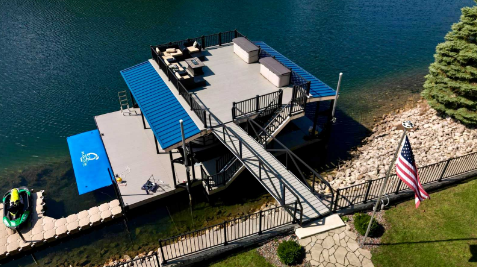
If you’ve never looked closely at aluminum boat docks, they’re pretty simple. A frame made from marine-grade aluminum, some kind of decking on top, floats underneath. That’s the bones of it. But the way they act on the water is nothing like the timber piers a lot of us grew up walking on. Wood soaks up water, goes soft, splinters, gets heavy as a sack of wet laundry. Concrete lasts forever, fine, but it’s a pain to put in, and it cracks when the ground shifts. Aluminum sits somewhere in between, and honestly it beats both in a lot of situations. It’s light. It’s strong for what it weighs. Moisture doesn’t bother it much. You can move a section around with a small crew and a couple of strong backs instead of renting a crane, and that changes how you plan everything from install to repairs to expansion down the road.
Why Busy Waterfronts Keep Switching
Go walk a working waterfront today and count the aluminum. More than ten years ago, I’d bet. A commercial dock gets hammered in a way your uncle’s lake dock never will. Boats in and out all day, fuel deliveries, carts loaded with coolers, some places even run small forklifts down the walkways. And every closed slip is money you aren’t making. A wood walkway that needs boards swapped every other season eats labor, material, and customer patience. Aluminum cuts most of that out. The owners I’ve talked to say the same thing, more or less, they just don’t think about the dock much anymore. It does its job. The maintenance line in the budget stays dull, and dull is exactly what you want when you’re running a business with a hundred other things breaking.
How Long Will It Really Hold Up?
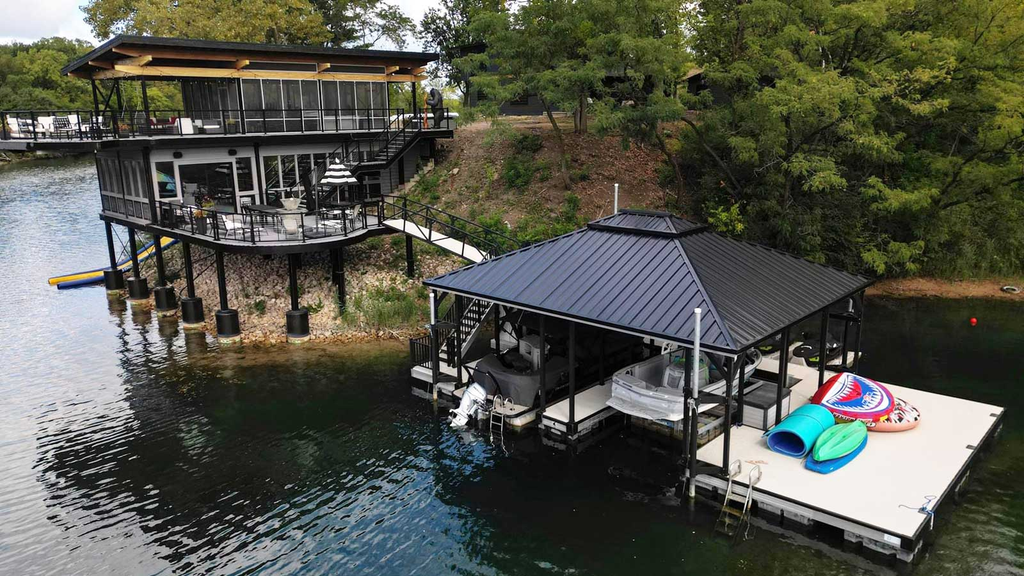
A long time. Twenty or thirty years isn’t unusual for a well-built system, and some go past that, though it depends on your water and how you treat it. Aluminum doesn’t rust as steel does. It grows a thin oxide skin on its own, and that skin protects the metal underneath. Saltwater is rougher on everything, no argument there, and you need the right marine alloy, but even in salt it holds up better than most people guess. The thing that usually quits first isn’t the frame at all. It’s the floats, or the hardware, or the surface decking. Those can be swapped without ripping the whole dock apart. So really you aren’t buying something with an expiry date, you’re buying a frame you keep refreshing every so often. Different way to think about lifespan, and a cheaper one, too.
Let’s Talk Money, Since Everyone Wants To
Yeah, the upfront price stings. Aluminum boat docks cost more than treated lumber on day one, sometimes a good bit more, and I’m not going to dress that up. But the purchase price is just the first number. Add in the replacement boards, the staining, the crews, the sections you close off while somebody fixes them, and wood starts looking expensive around year ten. Most owners I know break even somewhere between year five and eight, then aluminum keeps pulling ahead after that. If you plan on owning the property a while, the math is hard to argue with. If you’re selling in three years, maybe a different story. Most operators aren’t selling in three years, though. They’re in it for the long haul, and the numbers favor them when they think that way.
Is It Strong Enough, and Is It Safe?
People hear lightweight and think flimsy. That’s wrong. Aluminum framing can be engineered to carry real loads, and a commercial-grade setup handles heavy foot traffic, loaded carts, even light equipment if it’s built for that job. Strength comes more from the frame layout, the quality of the welds, and how the floats are spaced than from the metal alone. A cheap build in aluminum is still a cheap build. For safety, decking can be grooved or textured so it isn’t a skating rink when it’s wet, which matters when you’ve got kids, anglers, and tourists all wandering around in flip-flops. It also stays cooler on bare feet than dark composite in July. Small detail, people notice it. Load ratings vary by builder though, so ask for actual numbers. Don’t just trust the brochure.
Installation and Changing Your Mind Later
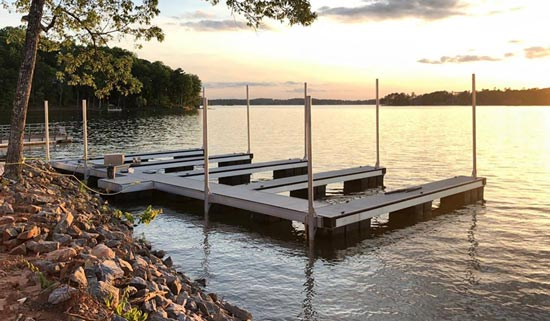
This is the part nobody talks about enough, especially for Marinas & Commercial Docks where layouts change all the time. Aluminum docks come in modular sections that connect together, so installation is quicker and a lot less invasive than pouring concrete or driving pilings. Need more slips next summer? Add some sections. Business shifted, or a storm rearranged things? Move them. Operators up north love this, because they can pull sections out before the ice shows up and put them back in spring. Try that with a fixed concrete pier, you can’t. And if one piece gets damaged you replace that piece, not the whole run. One bad afternoon doesn’t turn into a full rebuild. That kind of forgiveness is worth real money, even if it never shows up on a spec sheet.
What Maintenance Looks Like, Honestly
Less than wood, but it’s not zero. Anyone telling you aluminum is maintenance-free is selling something. You’ll rinse off algae and grime now and then. You’ll check bolts and connectors once or twice a year, look over the floats for cracks or leaks, and watch any spot where two different metals touch, because galvanic corrosion is real and it will bite you if you ignore it. Stainless or compatible fasteners solve most of that. And that’s about it. No sanding, no sealing, no pulling rotten planks every spring. A small crew and one afternoon beats a week of repairs, and your boaters probably won’t notice you did anything at all. One more thing: water levels. Floating docks ride up and down with the lake or tide, so you don’t end up stuck high and dry or half underwater. Aluminum is recyclable too, and it doesn’t leach preservatives into the water like some treated lumber, which keeps regulators happier. Check local permits anyway. Rules change by state, sometimes lake by lake, and finding out halfway through a build is a bad day.
So, Should You Do It?
For most operators planning to stick around, yeah. Higher cost up front, fewer headaches later, flexible layouts, and a lifespan that outlasts about everything else on the water. It’s not magic though. You still have to pick a decent builder and the right alloy for your conditions, and you still have to look after it a little. If you’re comparing options and want somewhere to start, Flotation Systems Aluminum Boat Dock builds systems for demanding waterfronts, and they’re worth a call before you commit to anything.
FAQs
How much do aluminum boat docks cost?
Depends on size, load needs, and decking. They run higher than wood upfront, but usually come out cheaper over the years once you count repairs and closed slips.
Do aluminum docks work in saltwater?
Yes, if the alloy is marine grade and the hardware matches. Rinse them off once in a while, and they hold up fine.
Are aluminum docks safe to walk on?
Pretty much. Grooved or textured decking keeps traction decent when it’s wet, and nothing splinters like old wood does.
How long do aluminum boat docks last?
Twenty to thirty years is common. Floats and decking might need swapping sooner, but the frame tends to keep going.
Can aluminum docks handle heavy commercial use?
They can, if the system was engineered for it. Ask the builder for load ratings before you buy, always.